
News dispatch
28.02.25

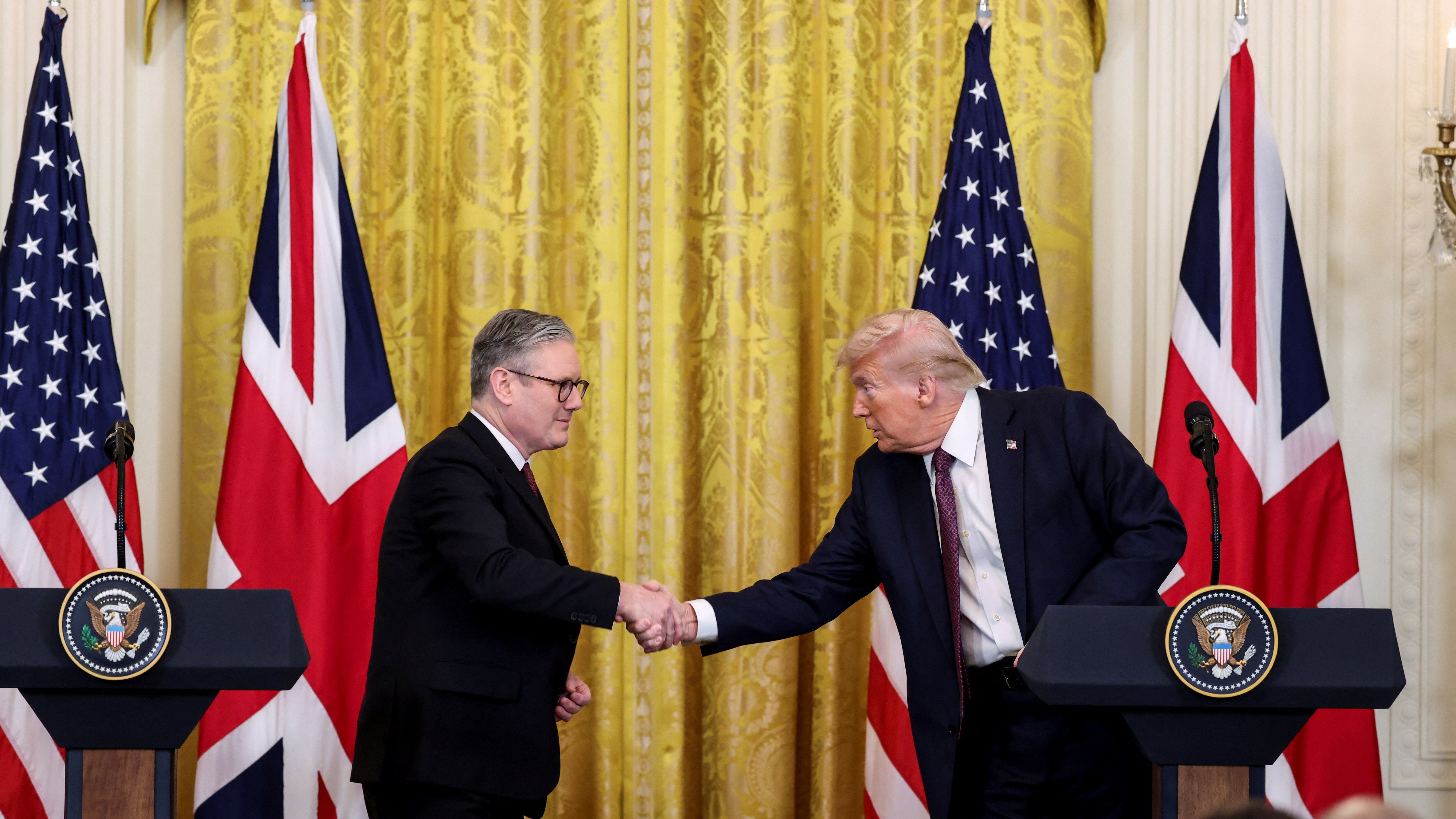
Sir Keir Starmer’s visit to America has gone well, with President Trump offering the prime minister a trade deal that could exempt the UK from being hit with American tariffs. Starmer also got Trump’s backing on the Chagos Islands deal: a process of handing back the islands, which sit in the middle of the Indian Ocean, to Mauritius. America’s backing is important, since the islands include the Diego Garcia military base, which is jointly used by the US. (The Guardian)
The leaders are also hashing out a deal around AI and other advanced technologies, and were resoundingly upbeat in yesterday’s press conference. “It is good to know that the UK has a true friend in the Oval Office,” Starmer said, while Trump boasted the two countries enjoyed a “unique friendship”. The biggest challenge will be over Ukraine, with Starmer maintaining that any peace deal is doomed if America cannot guarantee troops in Ukraine to keep it in place. Trump has so far refused to promise this. (The Times)
Things aren’t going so well at home. On Tuesday Starmer announced the aid budget will be cut from 0.5 percent of gross national income to 0.3 percent in 2027. This equates to the biggest cut in UK overseas aid spending since records began, and a complete reversal of Labour manifesto pledges and the party’s historical commitment to helping the world’s poorest. The finding was made by Ian Mitchell, co-director of the Centre for Global Development, as 138 charities wrote to Starmer saying they are appalled at the news.
It’s worth remembering that in 2023, nearly £4.3bn, or 28 percent of the aid budget, was spent by the Home Office in funding the cost of housing asylum seekers in the UK. Even if these costs were halved in 2027 through a mix of fewer asylum seekers, and lowering the cost of housing each asylum seeker, Mitchell calculates, the UK would still only be spending 0.23 percent of UK national income in 2027 on overseas aid. (The Guardian)
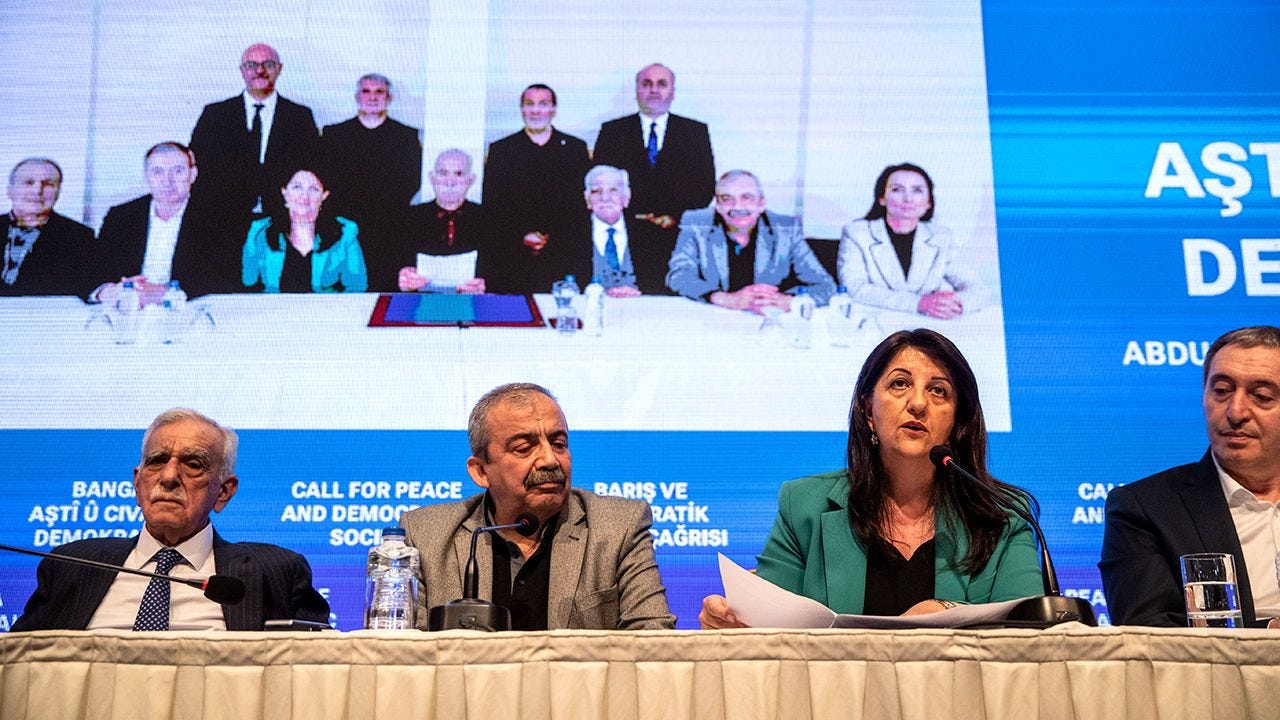
The leader of the Kurdish rebels, Abdullah Ocalan, has called on his group to disband, which could be the beginning of the end of one of the world’s longest-lasting conflicts. “All groups must lay down their weapons,” his statement said, presumably also referring to the rebel group’s offshoots in Syria and Iran, “and the PKK must dissolve itself.” (PKK is the name of the rebel faction, not to be confused with the main Kurdish party in Turkey, the People’s Equality and Democracy Party, shortened to DEM.)
“The hard part is what comes next,” reports The Economist, “and what the Kurds get out of it.” One ought to expect political talks, new language and cultural rights for the Kurds, and perhaps through a new constitution. The DEM believes PKK fighters could even be granted amnesty. But the Turkish, Recep Tayyip Erdogan, has made clear he will not abandon Turkey’s war on terror, has so far promised the Kurds no new concessions and has ruled out direct talks with the PKK.
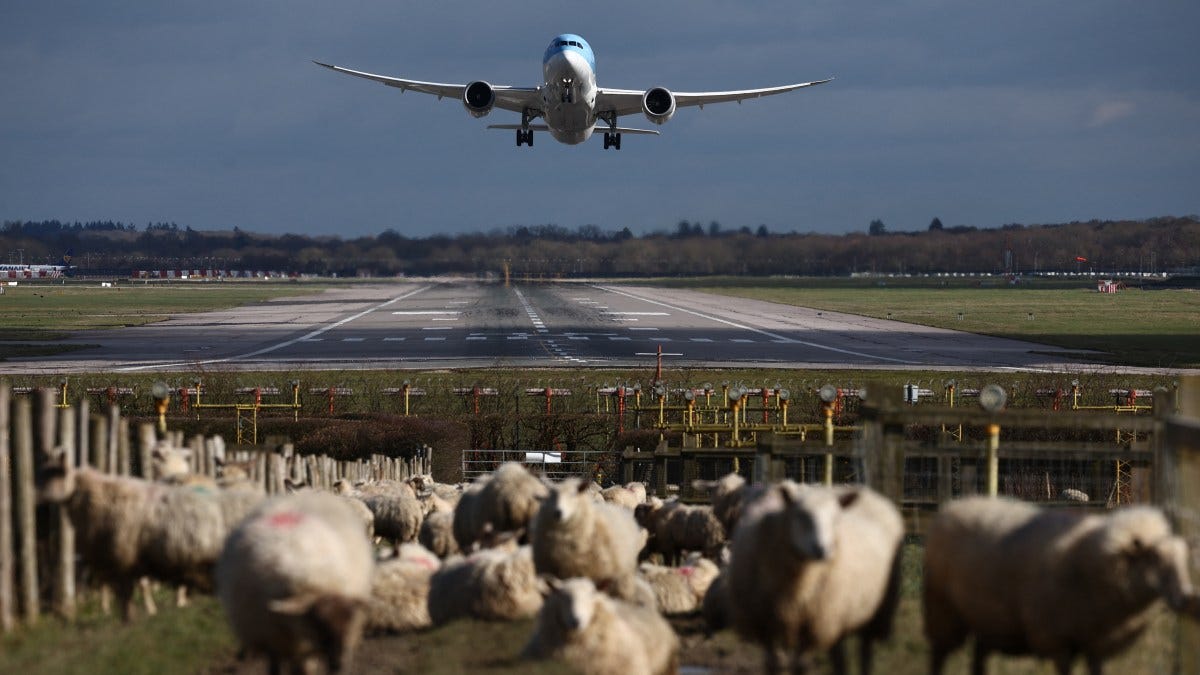
A plan to bring Gatwick’s second “emergency” runway into regular use has been backed by ministers. Gatwick’s North runway is one of the busiest in the world, with up to 55 planes taking off in peak hours. The idea is to have two runways, not just to spread out the flights but to increase capacity overall. For this, the emergency runway will have to move 12 metres away from its present position, as it is currently too close to the main runway to meet international safety standards.
Heidi Alexander, the transport secretary, said she had issued a “minded to approve” letter to the airport, paving the way for up to 100,000 extra flights a year from the West Sussex site. This would bring its total capacity to just ten percent below London Heathrow. Gatwick has until late April to respond to how it would implement the changes – the cost of such a project is estimated at £2.2bn – and explain how it would address the concerns of nearby residents, surrounding noise pollution and the extra traffic caused by more people travelling to Gatwick via roads and public transport. Some on the right, naturally, are upset about this. (The Telegraph)
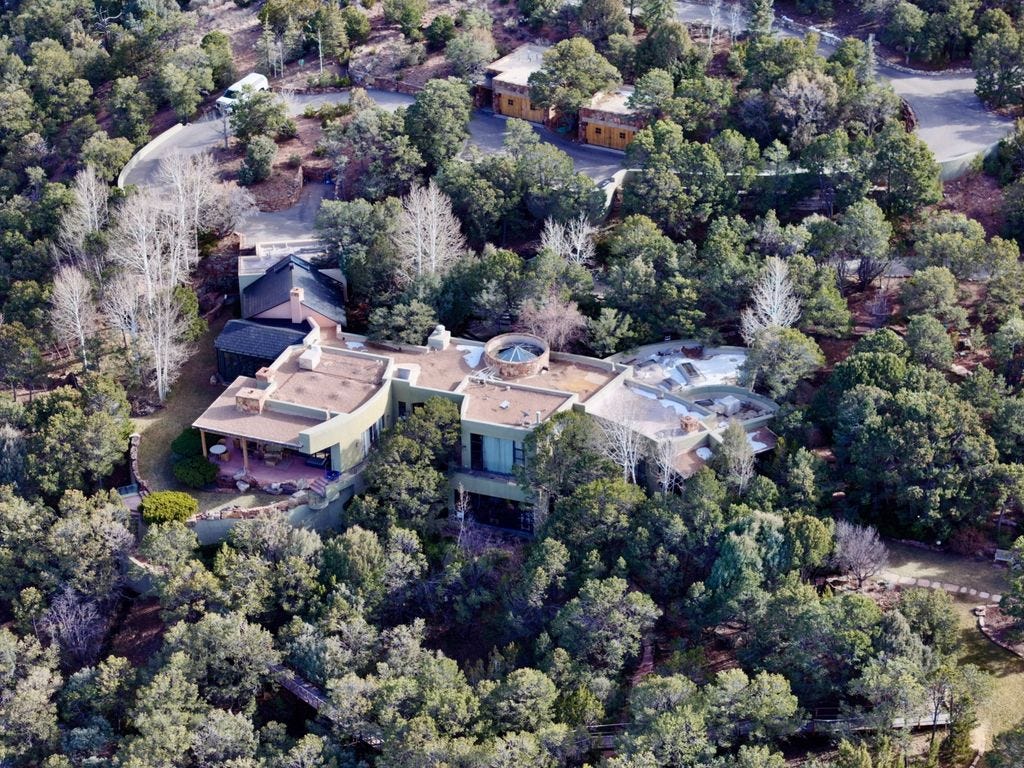
Investigators in Santa Fe, New Mexico, are continuing to search for answers after Gene Hackman, an Oscar winning actor who defined a whole era of cinema, was found dead alongside his wife, the classical pianist Betsy Arakawa, in the home where they had retreated from public life for decades. Prescription pills were found scattered on the bathroom floor, and one of the couple’s three dogs – a German shepherd – had also died. Hackman, 95, appeared to have fallen in an entryway, reports the Guardian. A cane was found nearby. Arakawa, 65, was found in an upstairs bathroom with an open prescription bottle and pills scattered on a nearby countertop, while the dog was found in a bathroom closet. At a press conference, Santa Fe county sheriff Adan Mendoza said the couple “had been deceased for quite a while”, but could not offer an exact amount of time.
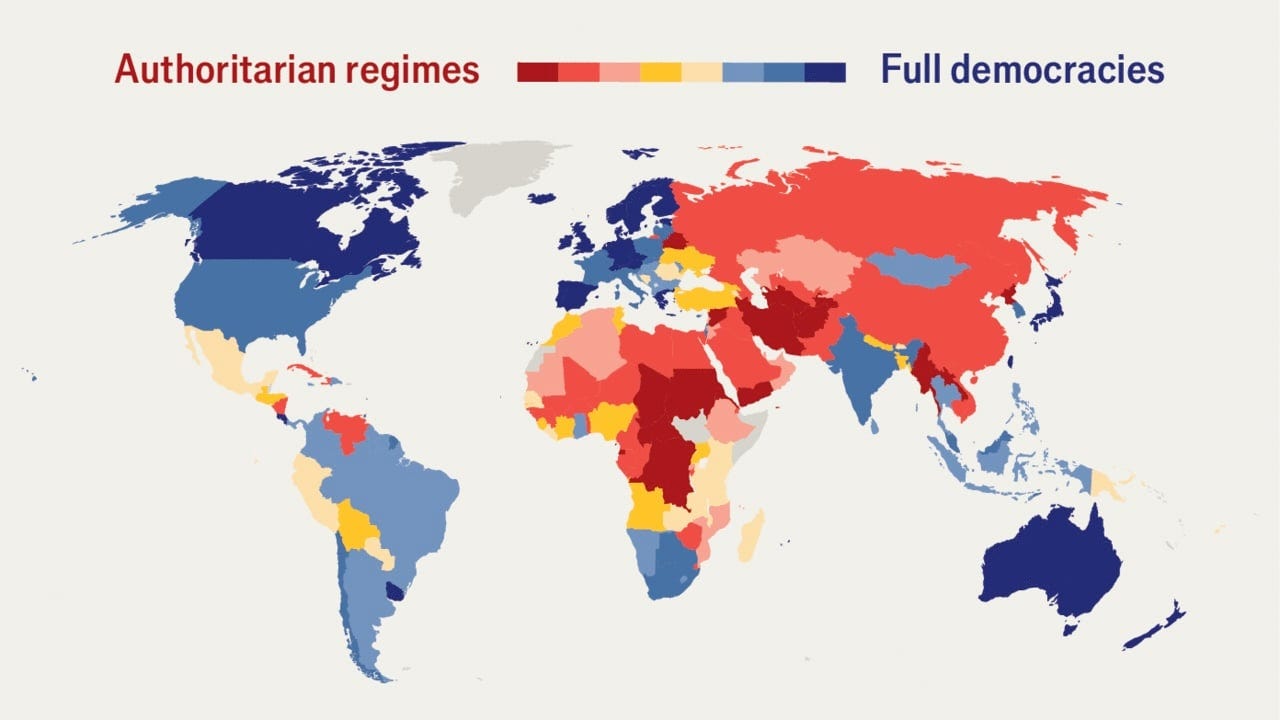
Global democracy is in the worst shape it’s ever been since the Economist Intelligence Unit began publishing its annual democracy index nearly twenty years ago. Following one of the most momentous election years in history, the global outlook is bleak. The EIU launched the index in 2006: and amid annual fluctuations, there have been some notable constants. Norway, New Zealand and Sweden typically rank among the top five most democratic countries in the world; Afghanistan has been the lowest-ranked since 2021 (it scored just 0.25 points this year, out of a possible total of 10). The global average dropped to a new record low of 5.17, down from a high of 5.55 in 2015; and only 6.6 percent of the global population lives in a country deemed a “full democracy” (the UK among them – but not the US). (The Economist)

Charlotte Moore, the BBC’s Chief Content Officer, is leaving for Left Bank Pictures, the production company responsible for The Crown (pictured above, with Claire Foy in the role of the Queen) and a subsidiary of Sony. She has been referred to as the most powerful woman in British television and in her role at the Beeb, was ultimately responsible for many of its best-loved programs such as Happy Valley, Bake Off and The Traitors. Her departure has been described as yet another blow to the broadcaster after several difficult years. In 2023, the BBC axed 1,000 hours of programming to cut costs, and last year admitted it had “multiple drama projects” stuck in limbo owing to a lack of funds. Moore’s role at Left Bank Pictures will be that of chief executive (her predecessor, Andy Harries, has been made Chairman). The studio is currently working on an adaptation of James Graham’s play Dear England. (The Times)